

An N word pass is an informal claim that a Black person has given someone, usually a non-Black peer, permission to use the N-word. It may take the form of a paper card, a verbal agreement, or an exchange presented as a joke. There is no recognized permission system behind it, and an agreement between two individuals does not establish what language is acceptable in a school or shared community.
The practice raises difficult questions for students, parents, and educators across Connecticut. What happens when a student believes a friend’s permission makes a racial slur acceptable? How should a teacher respond when the students involved insist that nobody intended harm?
The issue extends beyond a single offensive expression. It involves the history of anti-Black racism, the influence of online culture, peer relationships, and the responsibility schools have to maintain an environment where students can learn without racial harassment.
Understanding those connections is essential to responding thoughtfully.
What Does an N Word Pass Actually Mean?
An N word pass refers to supposed permission to use the N-word, typically requested by a non-Black individual from a Black friend or acquaintance.
Sometimes the permission is represented by a printed card. In other situations, students simply make a verbal agreement. The exchange may be treated as humor, a demonstration of friendship, or a way to participate in language encountered online.
The central problem is the assumption that one person’s permission applies to everyone else.
A Black student might be comfortable with a particular expression in a private conversation. Another student who overhears the same language may experience it as offensive, threatening, or degrading.
Personal consent does not extend to an entire racial community.
Nor does it override school expectations about respectful communication and discriminatory behavior.
The distinction matters because students sometimes interpret permission from a friend as protection against criticism or disciplinary consequences.
Teachers must consider the broader circumstances, including who heard the expression, how it was used, whether someone was targeted, and the effect on the learning environment.
The Historical Weight Behind the N-Word
The N-word has a long history as an anti-Black racial slur. Its use became deeply associated with slavery, racial segregation, discrimination, and violence in the United States.
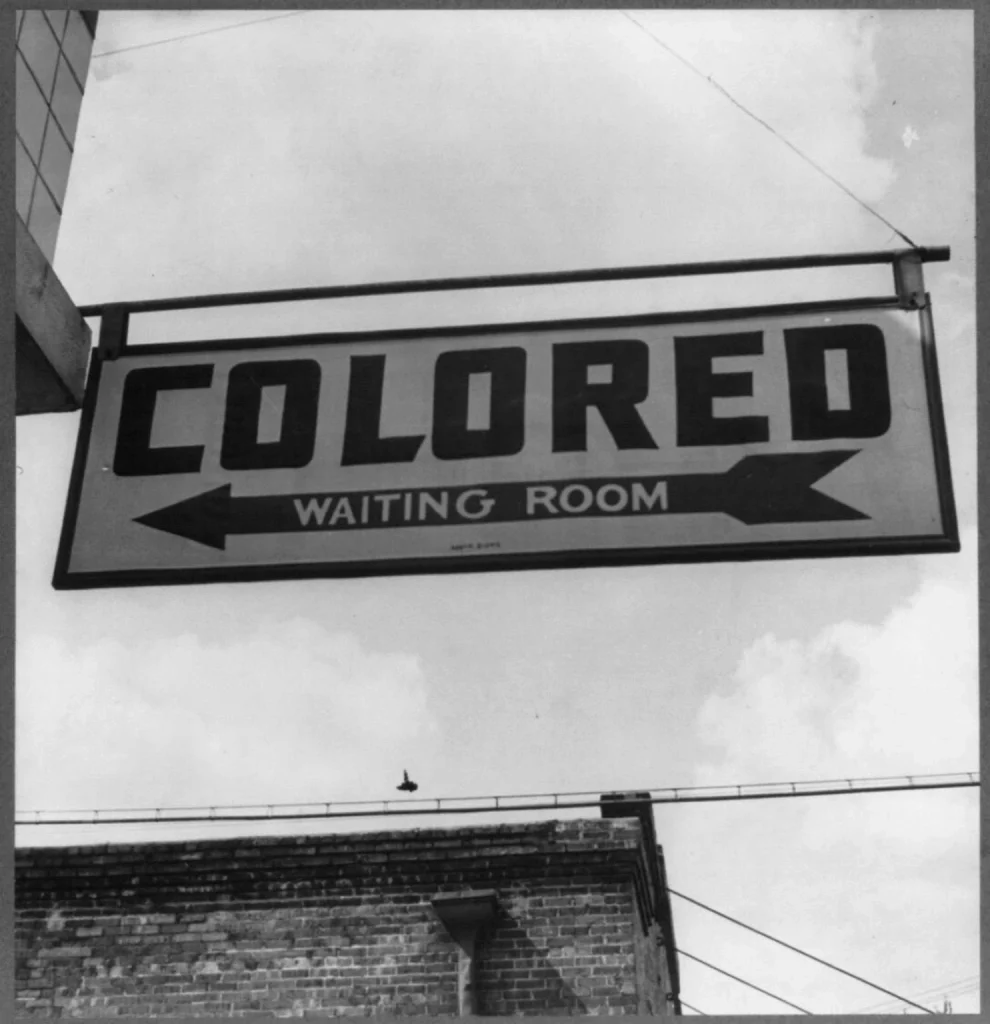
The expression was used to demean Black people and reinforce ideas of racial inferiority. It appeared in everyday speech, discriminatory portrayals, and environments where Black Americans faced exclusion and unequal treatment.
That history explains why the word carries significance beyond the immediate intentions of an individual speaker.
Language can preserve associations with historical oppression even when someone claims to be joking.
There is also an important distinction between using the word as an insult and discussing it in an educational setting.
Students studying American history or literature may encounter the term in historical documents and literary works. Educators can explain its significance while establishing clear expectations about how the language will be handled.
Some Black Americans have reclaimed variants of the expression in particular social and cultural contexts. Others reject its use altogether.
These different perspectives do not establish universal permission for people outside those communities.
Understanding that complexity requires historical knowledge, awareness of context, and respect for individual boundaries.
A classroom discussion should therefore examine the word’s history and consequences without requiring Black students to explain or defend their personal experiences.
How Social Media Shapes Students’ Understanding
Online culture can make the N word pass appear ordinary, humorous, or socially acceptable.
Short videos, memes, livestreams, and challenges sometimes present the exchange as an amusing agreement between friends.
Young viewers may encounter the phrase repeatedly before receiving a serious explanation of its history.
The scale of social media use makes this concern relevant to educators.
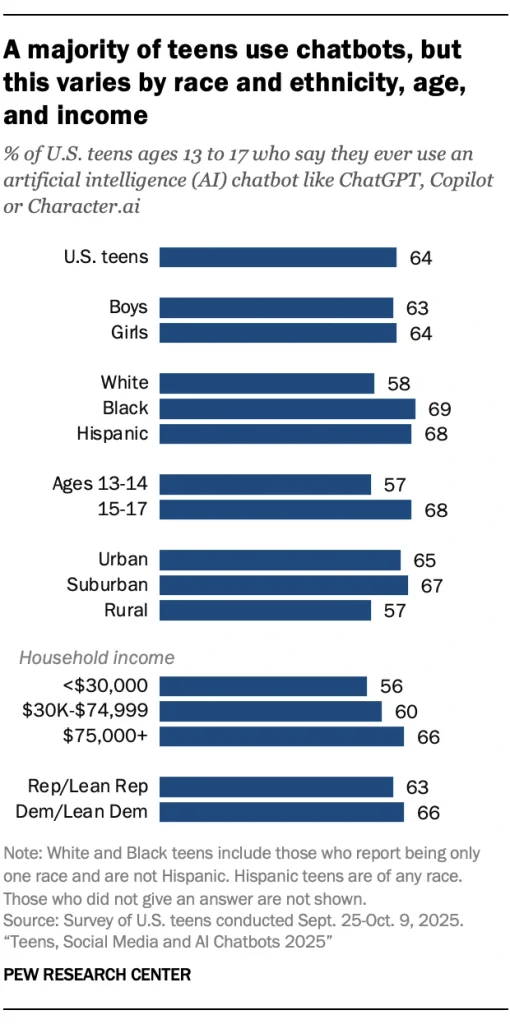
A national survey conducted in 2025 found that approximately nine in ten American teenagers used YouTube. Around six in ten or more used TikTok and Instagram, while 55% used Snapchat.
These figures describe general platform use among American teenagers aged 13–17. They do not establish how many students have encountered or participated in the N word pass trend.
Still, they illustrate how easily cultural expressions can circulate through the digital environments teenagers frequent.
Music and entertainment can create additional confusion.
A student may hear an expression in a song, repeat it among friends, and assume that its appearance in popular culture makes it acceptable in everyday conversation.
The meaning of language, however, depends on history, context, relationships, and audience.
Schools can address this misunderstanding through media literacy. Students should learn to question the messages they encounter, identify when offensive language is presented as entertainment, and consider how online behavior translates into real-world settings.
Why Permission Does Not Eliminate Harm
Imagine two close friends discussing music after school. One student asks another for permission to use the N-word, and the friend agrees.
Later, the expression is repeated in a hallway where several other students can hear it.
The person using the word might believe that the earlier agreement makes the situation harmless. Other students have no obligation to accept that interpretation.

This scenario demonstrates the difference between an individual’s intention and the impact of their behavior.
A speaker may intend humor or familiarity while listeners experience the language as hostile or disrespectful.
Neither intention nor impact should be ignored when educators evaluate an incident.
Context is essential.
A racial slur directed at someone in anger, a private conversation overheard by classmates, and a historical quotation discussed in a supervised lesson present different circumstances.
Schools should investigate those differences while maintaining clear expectations for student conduct.
An especially important consideration is the position of the Black student asked to grant permission.
That student may feel pressure to agree because of friendship, fear of social rejection, or a desire to avoid conflict.
Educators should avoid placing responsibility for classroom language standards on individual students. Establishing and enforcing those expectations is an institutional responsibility.
How Connecticut Schools Can Respond
Connecticut schools have established responsibilities concerning school climate, bullying, and discriminatory harassment. Districts are expected to maintain policies and procedures for addressing complaints and supporting affected students.
When an incident involving racial language occurs, the response should consider the circumstances rather than relying solely on whether a student claims to have received permission.
A constructive approach combines investigation, accountability, education, and support.
Establish What Happened
School staff should gather relevant information before reaching conclusions.
Important questions include:
- What language was used, and in what context?
- Was the expression directed at a particular student?
- Who witnessed the incident?
- Was there a previous pattern of similar behavior?
- Did students report feeling threatened, humiliated, or excluded?
Students involved should have an opportunity to explain their accounts privately.
Staff should document the incident and follow the district’s applicable reporting procedures. An allegation of racial harassment may require a different response from an isolated classroom disagreement.
Address the Historical Context
Disciplinary measures alone may leave students uncertain about why their behavior was harmful.
Age-appropriate education can help them understand how racial language developed and why its historical associations remain relevant.
Teachers can incorporate historical materials, guided discussion, and reflective assignments where appropriate.
The purpose is to build understanding and accountability, not to turn an incident into a public spectacle.
Students who experienced the behavior should never be required to participate in a confrontation or educate their classmates.
Support the Students Affected
A school response should include attention to students who experienced racial language as threatening, humiliating, or disruptive.
Staff can explain available reporting options, provide appropriate support, and take measures to prevent retaliation.
The response should also recognize that students may disagree about whether a particular exchange was offensive.
Those disagreements deserve consideration, but a private agreement cannot replace the school’s responsibility to evaluate the wider environment.
What Parents Can Do at Home
Parents do not need to wait for a school incident to discuss discriminatory language.
A conversation might begin with a video, song, or expression a child has encountered online.

Instead of immediately assuming that the child understands its meaning, parents can ask what they believe the expression communicates and why someone might find it offensive.
Historical context should form part of the discussion.
Parents can also explain the difference between hearing an offensive word in a historical or cultural context and choosing to direct that language toward another person.
Children benefit from knowing how to respond when friends use racial slurs.
They might express discomfort, decline to participate, or seek help from an adult when an incident involves harassment or intimidation.
The appropriate response depends on the circumstances and the student’s safety.
Regular conversations are more useful than treating the subject as a single disciplinary lesson.
Building Clearer Expectations for School Communities
The N word pass creates a challenge because students may view it through the lens of friendship while educators must consider its historical meaning and wider impact.
Schools can establish consistent expectations by explaining their language policies, teaching relevant history, and responding to incidents through established procedures.
Those expectations should cover derogatory language directed at any racial, ethnic, religious, or other protected group while recognizing the specific history associated with individual slurs.
Students should know how to report concerning behavior and what happens after a report is made.
Teachers need clear guidance so that similar incidents receive consistent consideration.
Parents can reinforce the same principles through conversations at home.
For Connecticut families confronting an incident, the practical first step is to document what happened and contact the school’s designated staff member responsible for bullying, harassment, or school climate concerns.
A meaningful response begins with understanding the circumstances, protecting affected students, and addressing the behavior through education and appropriate accountability.