
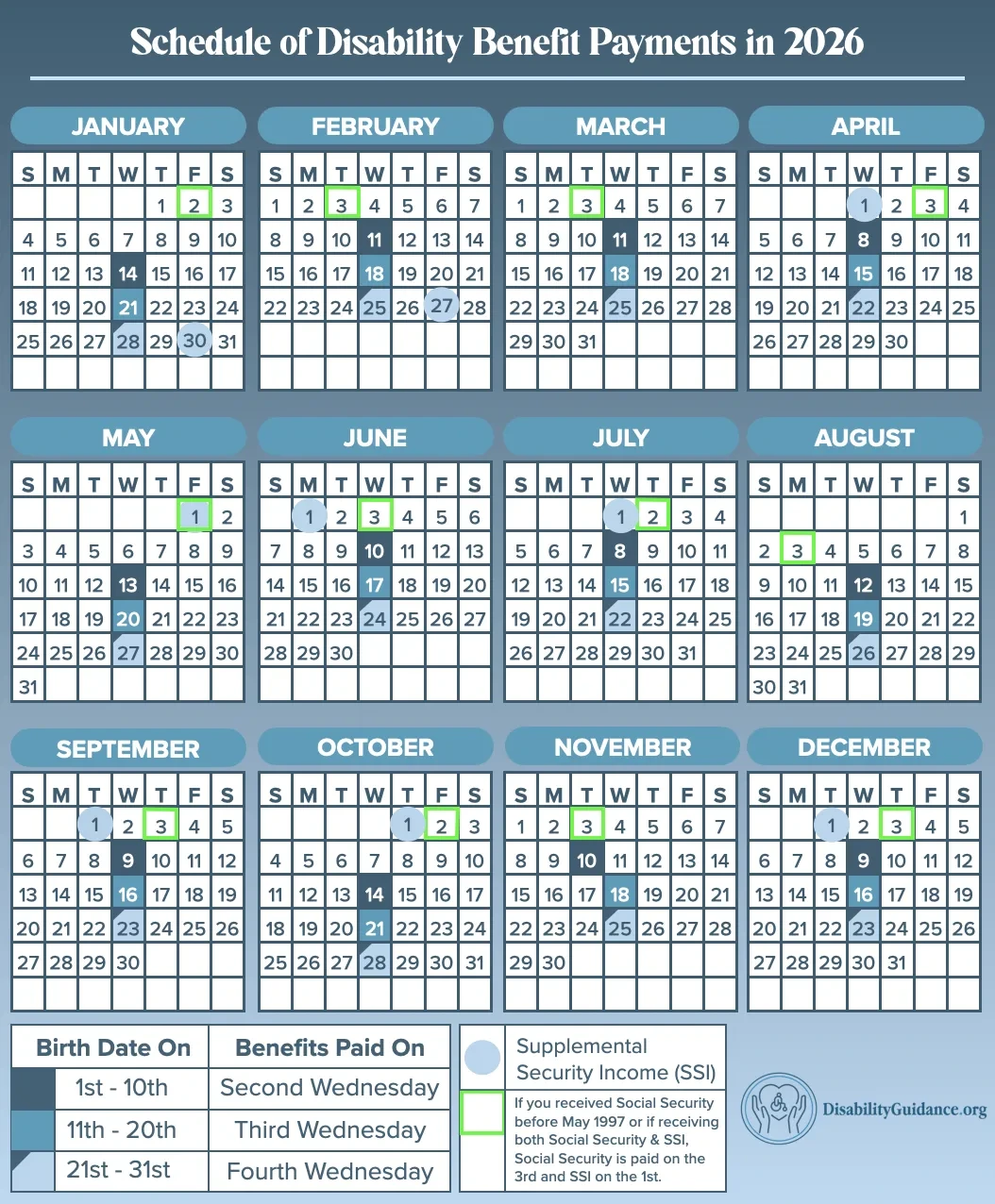
The July 8 Social Security distribution was the first regular Wednesday payment of July 2026. It covered beneficiaries whose birthdays fall between the 1st and 10th of any month, provided they follow the standard birthday-based payment schedule.
The Social Security Administration (SSA) issued the remaining regular payments on July 15 and July 22. Supplemental Security Income (SSI) recipients had a different schedule, receiving their July benefits on July 1 and their August benefits early on July 31.
The Independence Day holiday also affected one group of beneficiaries. People who normally receive Social Security on the third day of the month were scheduled to receive their payments on July 2 because July 3 was the observed federal holiday.
For residents of Rhode Island and the rest of New England, the same federal payment calendar applied. The important distinction is which benefit a person receives and which payment schedule governs their account.
Who Received Social Security on July 8?
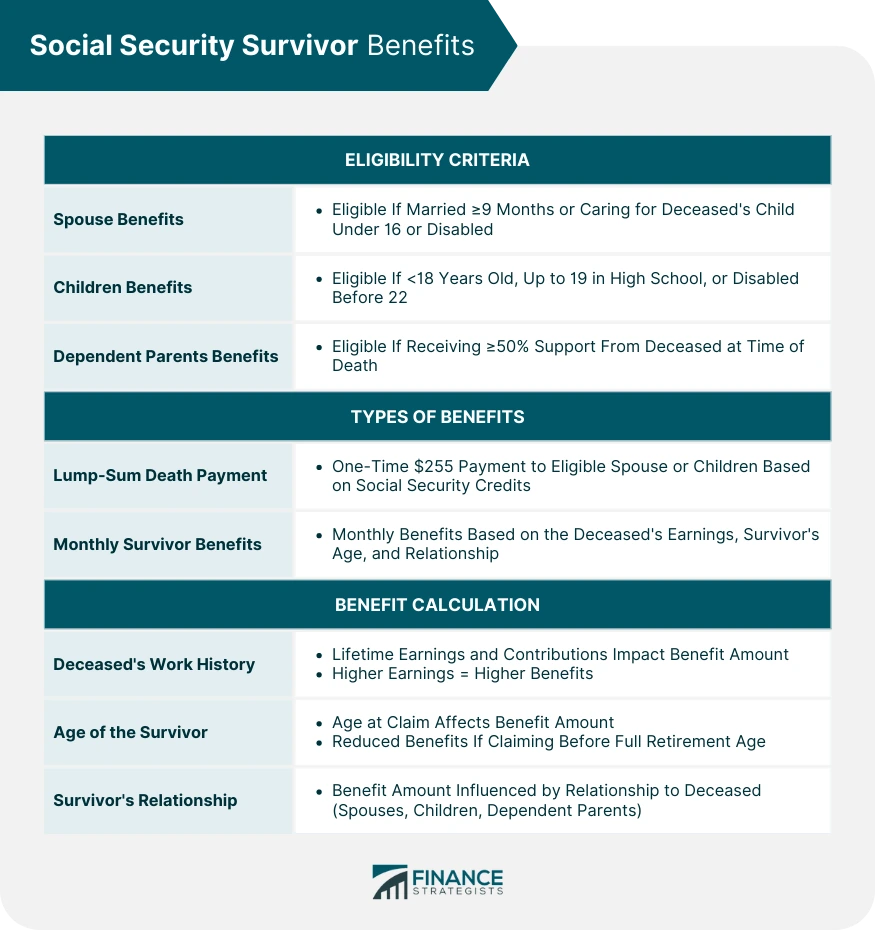
The July 8 payment went to people receiving retirement, survivors, or Social Security Disability Insurance (SSDI) benefits who were born between the 1st and 10th of the month and follow the regular Wednesday schedule.
The payment date depends on the day of birth, regardless of the birth month or year.
For example, a retiree born on March 5 and another born on November 9 generally belong to the same payment group.
Most beneficiaries who began receiving Social Security after April 1997 follow this birthday-based schedule. Special rules apply to people who started receiving benefits earlier and certain individuals receiving both Social Security and SSI.
The July 8 distribution did not represent an additional benefit, a special stimulus payment, or a new federal assistance program. It was the regularly scheduled monthly Social Security payment.
Full Social Security Payment Schedule for July 2026
The SSA’s official calendar assigned five principal payment dates in July, excluding the early August SSI payment issued at the end of the month.
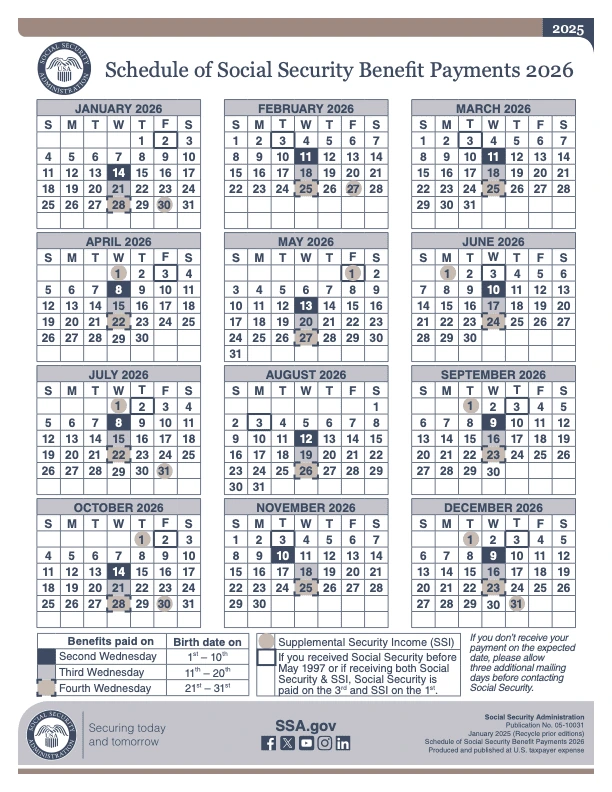
The standard Social Security schedule uses the second, third, and fourth Wednesdays. SSI and certain long-standing beneficiaries follow separate arrangements.
| Payment date | Beneficiary group |
| Wednesday, July 1 | July SSI recipients |
| Thursday, July 2 | Social Security beneficiaries paid on the third, including those who began benefits before May 1997 |
| Wednesday, July 8 | Birthdays from the 1st through the 10th |
| Wednesday, July 15 | Birthdays from the 11th through the 20th |
| Wednesday, July 22 | Birthdays from the 21st through the 31st |
| Friday, July 31 | August SSI payment issued early |
The July 2 distribution was moved forward because Independence Day fell on Saturday, July 4, and the holiday was observed on Friday, July 3.
Regular Wednesday payments were unaffected by the holiday.
Beneficiaries receiving both Social Security and SSI generally receive their SSI payment on the first of the month and their Social Security benefit on the third, adjusted for weekends and federal holidays.
These arrangements explain why someone receiving two different federal benefits may see deposits on separate dates.
Why Did SSI Recipients Receive Two Payments in July?
Supplemental Security Income recipients received two scheduled deposits during July 2026 because of a calendar adjustment.
The first payment arrived on Wednesday, July 1, covering July benefits.
The second was scheduled for Friday, July 31. That deposit covered August because August 1 fell on a Saturday.
Federal payment rules generally move SSI deposits to the preceding business day when the first of the month falls on a weekend or federal holiday.
The July 31 deposit was an advance payment for August, not an extra monthly benefit.
Recipients who received both deposits needed to budget accordingly. The early August payment meant there was no regularly scheduled SSI deposit during August itself.
Receiving two SSI payments within one calendar month does not automatically increase a person’s annual benefit entitlement.
The same scheduling pattern occurs at other points during the year when weekends or holidays affect the normal payment date.
What Is Supplemental Security Income?
Supplemental Security Income is a federal program providing monthly financial assistance to qualifying people who have limited income and resources.
The program serves eligible adults aged 65 or older, people with qualifying disabilities, and individuals who are blind. Children with qualifying disabilities may also qualify.
SSI differs from regular Social Security retirement benefits.
Retirement benefits are generally based on a worker’s earnings history and eligibility under the Social Security system. SSI eligibility depends on financial circumstances and other qualifying conditions.
In 2026, the maximum federal SSI payment was $994 per month for an eligible individual and $1,491 for an eligible couple.
Actual payments can be lower depending on income, living arrangements, and other applicable factors. Some states also provide additional payments.
The program generally applies resource limits of $2,000 for an individual and $3,000 for a couple, although certain assets are excluded.
Eligibility is determined individually, so recipients should not assume that receiving Social Security retirement or disability benefits automatically qualifies them for SSI.
Changes to Electronic Social Security Payments
The July 2026 schedule coincided with a broader transition in how federal benefits are distributed.
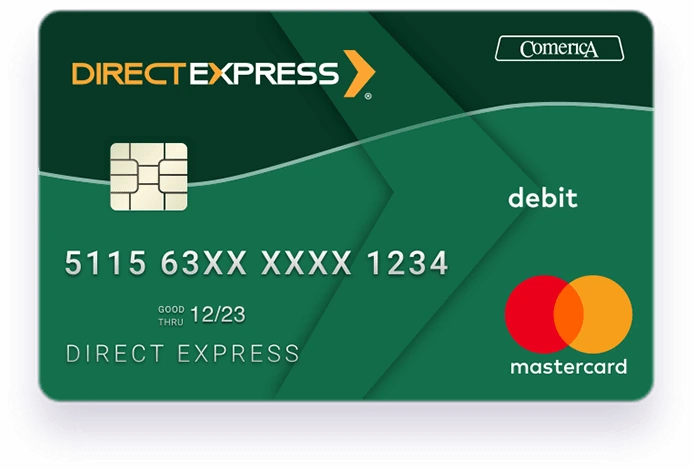
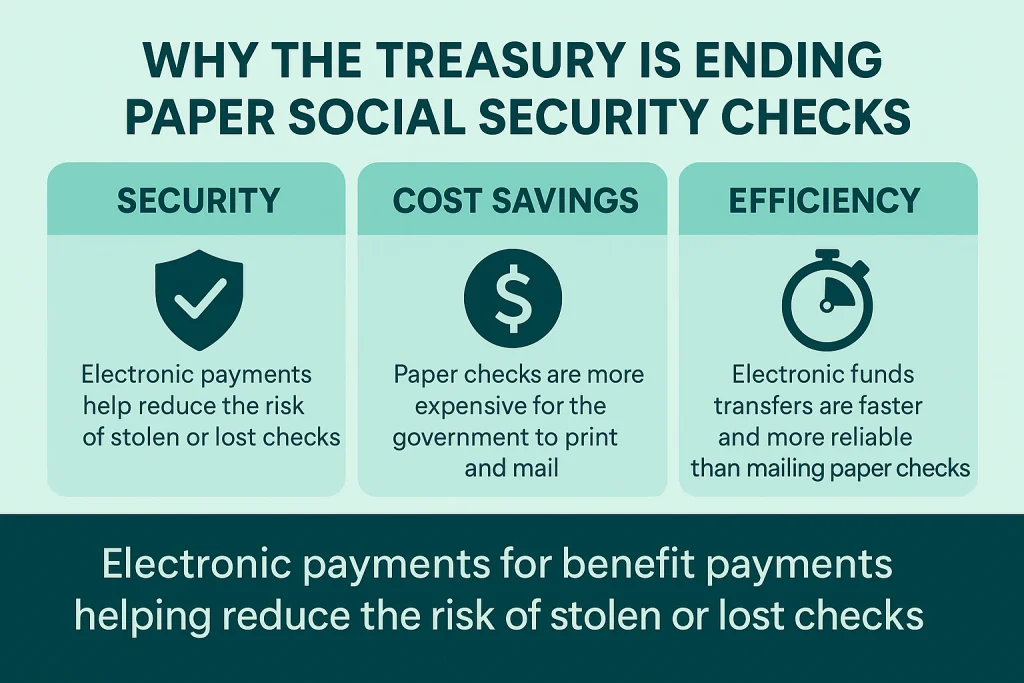
The federal government has been phasing out paper checks in favor of electronic payments. The SSA stated in June 2026 that it planned to complete its transition during the year, subject to applicable exceptions.
Beneficiaries can generally receive payments through direct deposit into an eligible bank account or through the Direct Express prepaid debit card program.
People facing qualifying circumstances may be able to request an exception to electronic payment requirements.
Another change involves the financial institution responsible for Direct Express.
Fifth Third Bank was selected to replace Comerica Bank as the program’s financial agent. New enrollments began transitioning in May 2026, with existing accounts scheduled for a phased transition.
Existing cardholders were instructed to continue using their current Comerica-issued cards until receiving further instructions or replacement cards.
Beneficiaries should keep their contact information updated and carefully review official communications about any required changes.
The transition does not alter the underlying Social Security eligibility rules or the standard monthly payment calendar.
What to Do if Your Payment Did Not Arrive
A missing Social Security deposit can create immediate problems for beneficiaries who depend on monthly payments for housing, food, and other necessities.

The SSA advises recipients to allow three additional mailing days after the scheduled payment date before contacting the agency about a missing payment.
For direct deposit recipients, checking with the bank or financial institution can help determine whether the payment has been received or is pending.
Beneficiaries can also review their payment information through their personal Social Security account.
If the payment remains missing, the SSA can investigate the situation.
When reporting the problem, recipients should have their scheduled payment date and relevant account information available. Sensitive personal details should be provided only through verified official channels.
Direct Express cardholders experiencing card-specific problems should use the customer service information associated with their card.
A delayed payment does not necessarily indicate that benefits have been terminated. Banking issues, account changes, and administrative problems can affect delivery.
What Rhode Island Beneficiaries Should Know
Rhode Island residents follow the same federal Social Security payment schedule as beneficiaries in Massachusetts, Connecticut, New Hampshire, Vermont, and Maine.
Payment dates are determined by the applicable federal rules, benefit type, and birthday group rather than the recipient’s state of residence.
Local Social Security offices can assist with benefit questions, account updates, eligibility matters, and unresolved payment concerns.
Residents who need in-person assistance should confirm office details and appointment requirements before visiting.
For anyone reviewing the July 8 distribution, the first step is to identify their benefit category and scheduled payment group.
A beneficiary born between the 1st and 10th who follows the regular Wednesday schedule was assigned July 8. Someone receiving SSI or benefits under the third-of-the-month schedule had a different payment date.
Checking the correct category prevents confusion when several federal distributions occur within the same month.